

How one client achieved a 33,300% return on investment
The origins of Perfect Teams®, Part 1
What is the value of developing one person?
£1,000?
£10,000?
£100,000?
Several million pounds?
Years ago, I worked with a team leader whose development helped his employer retain an estimated £4 million in revenue.
The investment was £12,000.
On those numbers, that’s a return of approximately 33,300%.
But strangely, that isn’t the outcome I remember most.
What I remember is receiving a card from his children.
They thanked me for:
“Giving us our dad back.”
That experience taught me something I’ve carried throughout my career.
Developing human capability doesn’t simply change people.
It can change everything around them.
HE WAS VALUABLE — BUT SOMETHING WASN’T WORKING
When I was introduced to this particular team leader, he was running a team of brokers.
Professionally, he was valuable to the business.
Personally, things weren’t going nearly so well.
He could be aggressive.
He was highly transactional.
He often disregarded how other people were feeling.
At times, he actively sought confrontation.
He wasn’t enjoying his job and the situation was deteriorating.
But his CEO saw something important.
This wasn’t somebody the business wanted to lose.
He was an asset.
So rather than simply manage him out, the CEO decided to invest in him.
That’s how we started working together.
PERFECT TEAMS START WITH YOU
The work happened years before we launched Perfect Teams® in 2016.
But looking back, I can see many of the principles that eventually became Perfect Teams developing through experiences like this one.
Perhaps the most fundamental was:
Know yourself.
Before you can understand why somebody else behaves differently, it helps enormously to understand yourself.
How do you naturally process information?
What gets your attention?
What motivates you?
How do you communicate?
What happens to your behaviour under pressure?
What strengths do you bring?
And when can those strengths become weaknesses?
Self-awareness doesn’t automatically change behaviour.
But it gives you the opportunity to choose.
HIS STRENGTH WAS ALSO CAUSING THE PROBLEM
Today, using the Perfect Teams® model, I would recognise much of his behaviour as strongly Green.
Direction.
Action.
Results.
When?
Let’s get on with it.
Those qualities had helped make him successful.
The problem wasn’t that he possessed them.
The problem was that he was overusing them.
His directness could become aggression.
His focus on results could cause him to overlook relationships.
His instinct for action could leave too little room for reflection.
This is something we’ve seen repeatedly since.
A strength overplayed can become a weakness.
The answer isn’t to remove the strength.
It’s to develop the capability to use it more intelligently.
THE TRIANGLE SHOWS WHAT ONE PERSON CAN’T SEE
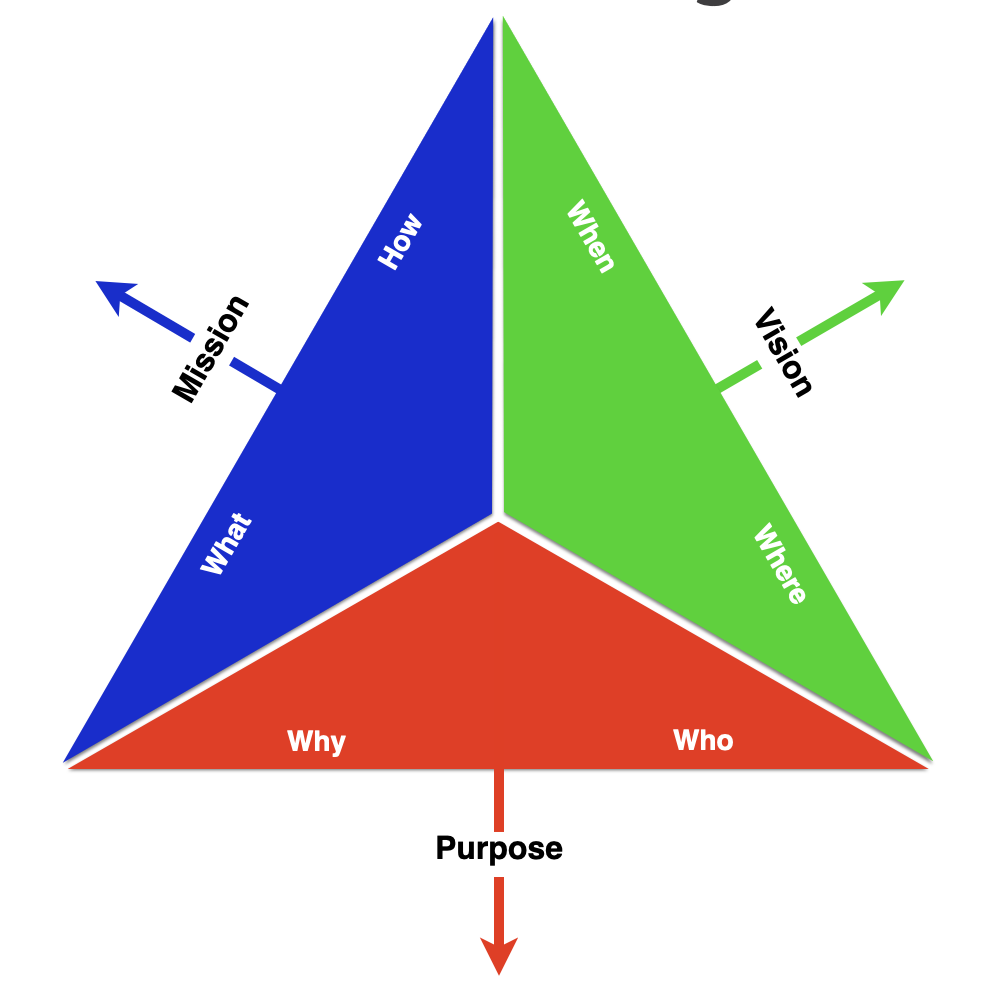
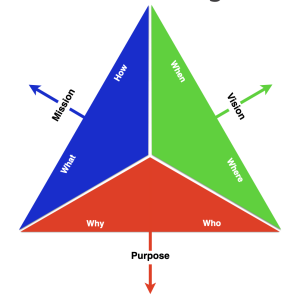
The Perfect Teams® triangle gives us three complementary perspectives:
Direction — Where and When.
Purpose — Why and Who.
Strategy — What and How.
None is sufficient on its own.
Someone naturally focused on Direction may wonder why everybody else can’t simply make a decision and move.
Someone focused on Strategy may think the first person hasn’t thought anything through.
Someone focused on Purpose may wonder whether either has considered the people involved.
The breakthrough comes when we stop judging those differences and begin understanding their value.
What are you seeing that I’m not?
That is where self-awareness begins becoming team capability.
KNOW YOURSELF. THEN UNDERSTAND OTHERS.
As our work progressed, the team leader began recognising his own patterns.
That also gave him another capability.
He could begin recognising that the people around him weren’t necessarily being slow, difficult or obstructive.
They were different.
They noticed things he didn’t.
They were motivated differently.
They communicated differently.
They brought capabilities he needed.
And once you understand that, leadership changes.
You don’t have to become somebody else.
You become more capable of working with people who aren’t like you.
That’s a fundamental principle behind Perfect Teams® today.
Character isn’t about putting people in boxes.
It’s about helping people understand what they bring — and recognise the value of what other people bring.
THE COMMERCIAL RESULT WAS EXTRAORDINARY
The organisation invested £12,000 in the work.
The CEO subsequently attributed approximately £4 million of retained revenue to keeping and developing this individual.
That’s where the 33,300% figure comes from.
£4 million against £12,000.
It’s an exceptional case, and I wouldn’t suggest every development intervention produces anything remotely comparable.
But it demonstrates something organisations can easily underestimate.
Human capability has economic value.
Losing a valuable person has a cost.
Poor leadership has a cost.
Conflict has a cost.
Relationships have value.
Retention has value.
Better judgement has value.
And sometimes developing the capability of one pivotal individual can have an extraordinary effect on the system around them.
BUT THE NUMBER ISN’T WHAT I REMEMBER
£4 million makes a good headline.
33,300% certainly gets people’s attention.
But decades later, the thing that stayed with me was that card.
Because the transformation hadn’t stopped when this man walked out of the office.
His children noticed it.
They felt they’d got their father back.
And that reminds us what we’re actually dealing with when we talk about developing people.
Not human resources.
Human beings.
The commercial and the human outcomes aren’t necessarily opposites.
Sometimes they are consequences of exactly the same change.
A more self-aware person can become a better leader.
A better colleague.
A better communicator.
A better decision-maker.
And sometimes, apparently, a better dad.
FROM SELF-AWARENESS TO CAPABILITY
Looking back, I can see why this experience became part of the intellectual foundation of Perfect Teams®.
It begins with character:
Who am I?
Then awareness:
How does that affect what I do?
Then difference:
Why don’t other people see things the way I do?
Then capability:
Can I adapt how I behave and work more effectively with them?
And ultimately:
Can we achieve more together than any of us could individually?
That’s interdependence.
Perfect Teams really does start with you.
But it doesn’t end there.
You can’t download capability.™
What could developing one pivotal person change in your organisation?
Perfect Teams® helps leaders understand character, recognise different perspectives and develop the collective capability of the people around them.
Originally published 7 October 2021. Updated August 2026.
 Article by: