

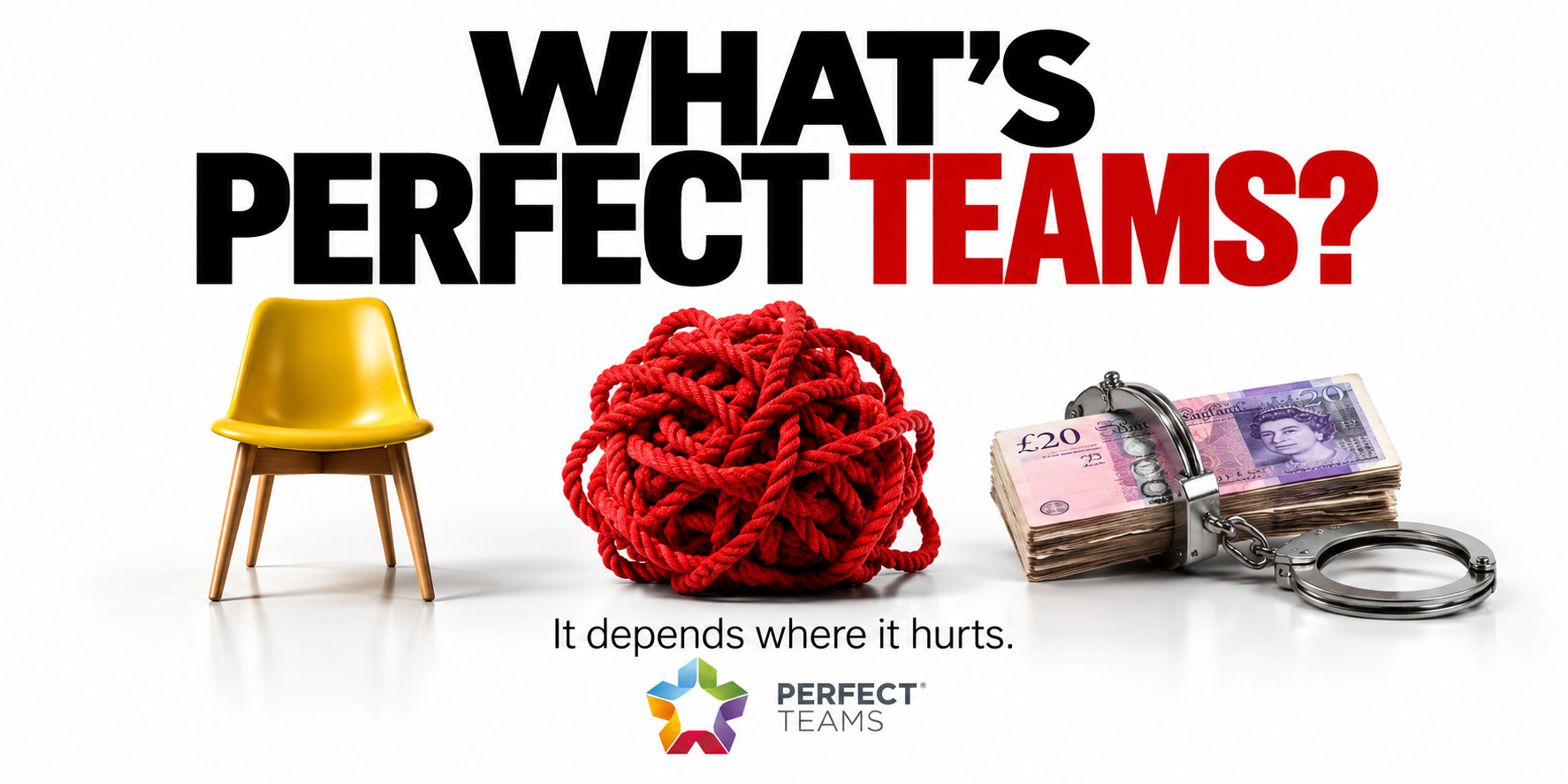
What’s Perfect Teams? Where does it hurt?
Nobody wakes up wanting a human capability system. They want a job, people who work together, or a business that doesn’t consume their life. So, what’s Perfect Teams? Start with one question: Where does it hurt?

Can your team disagree without falling apart?
The strongest teams don’t eliminate disagreement. They create enough trust and understanding to use it. Different characters see different things — and that difference can become a team’s greatest strength.

Who’s going to get there first? Elon Musk or Jeff Bezos? What could your organisation learn?
Musk and Bezos have pursued extraordinary ambitions through very different approaches. Their example reveals an important leadership lesson: great leaders don’t need every capability, but great teams do.

Could your team Get Brexit Done or would they take the PPE?
A simple objective can galvanise a team. The real test comes when circumstances become complex. Great teams combine clarity of vision, shared purpose and the capability to execute and adapt.
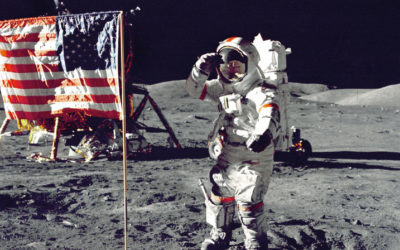
Could your team put a man on the moon or are their heads in the clouds?
Kennedy’s Moon challenge needed more than a great vision. It required purpose, execution and thousands of different people combining their strengths. What can Apollo teach us about building a high-performing team?

The irony of this year’s happiness at work week – what’s the truth for you, your organisation and your teams?
Happiness at work means different things to different people. The disruption of 2020 forced many of us to reconsider what motivates us, what matters and whether we were working from choice or simply from habit.

What does it really mean to have the ‘perfect team’ and why should you care?
A perfect team isn’t a collection of perfect people. It’s a complementary system in which different characters bring different strengths. The crucial question isn’t simply who’s on your team — it’s what’s missing.